


Twisted Story
4.534.00 Reviews
App Specs
- Version
- 1.0.7
- Updated On
- License
- Free
- Downloads
- 100,000+
- Developer
- CHICKEN SKIN LLC
- Categories
- Adventure
- Platform
- Android
Screenshots
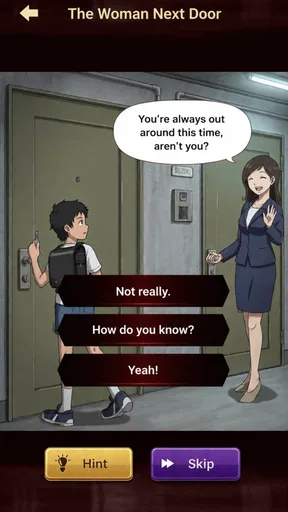
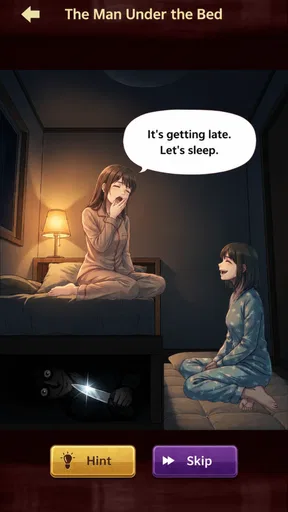
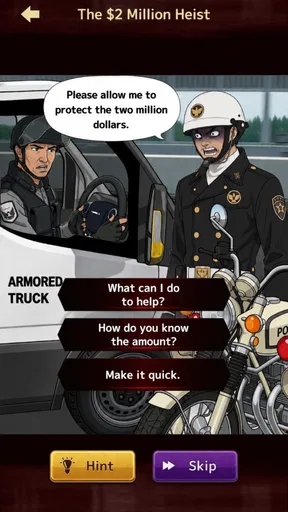
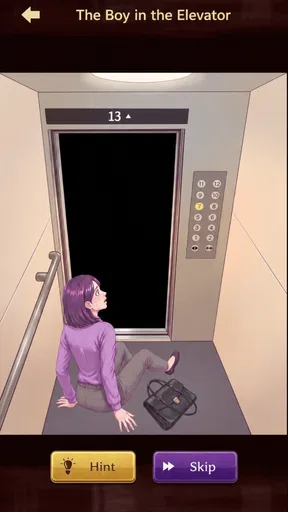
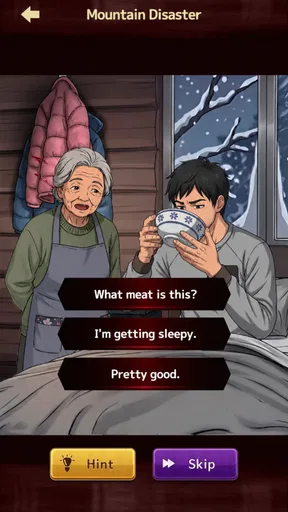
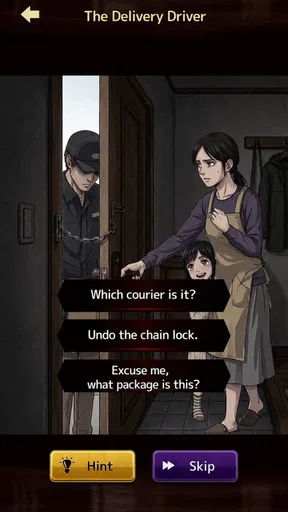
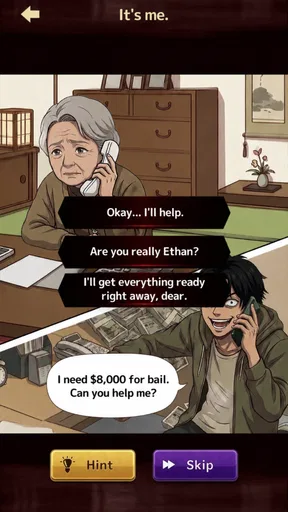
 Analysis by AppCompare
Some adventure games pull me in with a large map or a complicated set of systems. Twisted Story takes a more suggestive route: its identity rests on a narrative that feels unsettling from the outset. That makes it appealing when I want a game to hold my attention through mood and story rather than ask me to master a long list of mechanics. The store’s brief “Something’s wrong” premise is a useful hint about the tone, but the real draw is deciding whether that uneasy setup is the kind of story I want to spend time with.
Why a small clue can carry the experience
The most useful way to approach a story built around unease is to treat its early details as clues, not answers. I would pay attention to what feels unusual, but avoid assuming that every strange moment points to a specific explanation. That distinction keeps curiosity alive without making the game responsible for confirming theories I invented myself. It is a small adjustment, yet it can make an ambiguous story feel intriguing instead of confusing.
If I were trying it for the first time, I would choose one short stretch when I can focus, then judge the experience by a practical question: do I want to know what comes next? That is more revealing than deciding whether the premise sounds clever in the abstract. It also helps me tell the difference between suspense that is working on me and uncertainty that is simply getting in the way.
Where the unease comes from
This is an adventure game from CHICKEN SKIN LLC, with “Twisted Story” as its short description. I read that as a clear promise of a story-first experience, not as a guarantee of any particular plot twist or gameplay system. The mature audience rating also matters: this is aimed at adults, so it is not the kind of title I would casually hand to a younger player or choose for a family game session.
What I like about a premise built around something being wrong is the room it leaves for curiosity. Rather than beginning with a cheerful objective or a list of tasks, an unsettling setup encourages me to pay attention to what feels out of place and to keep asking what the story is hiding. That can make even a quiet moment feel purposeful. It is a good fit for players who enjoy forming theories as they go, though anyone looking for a clearly explained plot from the first minutes may find the ambiguity less satisfying.
The game has a 4.5 average from around 5,300 ratings, and more than 100,000 installs. Those figures suggest that the premise has found an audience, but they do not tell me whether every player will enjoy its particular kind of tension. I would treat them as a sign that the game is worth considering, not as a substitute for deciding whether a mature, unsettling adventure suits my tastes.
A story-led pace changes how I play
When a game’s main appeal is its narrative, I approach it differently from an action adventure. I give dialogue and story details more attention, avoid rushing through unfamiliar moments, and try to remember what seemed odd rather than treating every scene as a checkpoint on the way to the next one. That is the useful mindset for this title: patience makes the premise easier to engage with, while distracted, rapid play can flatten a deliberately uneasy mood.
Worth Reading Before You Choose

EA SPORTS FC Mobile 26 Is a Bigger Football Game, but It Takes Time

Flipboard Shows What News Apps Must Do Beyond the Feed

Switching to Android Auto Means Rethinking Your Driving Routine

Google Calendar Makes a Crowded Week Easier to Manage

Ludo King Makes the Most of the Minutes Between Plans

Baby Panda World Brings Quick Play to Modern Phones, but Its Game Library Feels Busy
I also find it helps to play when I can give the story a little room. A short break between chores can work if I am happy to stop at a natural pause, but checking in for a few seconds while handling messages is a poor match for a narrative game. The practical question is not whether every session needs to be long; it is whether I can concentrate enough to follow the thread and remember why a moment caught my attention.
One small but useful habit is to pause after a scene that leaves me uncertain and ask what I actually know, rather than immediately inventing an explanation. That keeps the mystery engaging without turning speculation into assumed fact. It is also a sensible way to judge whether the game’s style is working for me: if unanswered questions make me curious, I am likely in the right mood; if they only make me impatient, another adventure with a more direct objective may suit me better.
The kind of evening it suits
My best use case for Twisted Story is a quiet evening when I want a focused, slightly unnerving diversion rather than a competitive match or a game that demands repeated quick decisions. It can also suit a commute or a waiting room if I have enough uninterrupted attention to follow the story and a comfortable place to stop. I would avoid starting it when I have only a moment to spare and know I will be interrupted; the mood of an unsettling narrative is easier to enjoy when I am not constantly switching tasks.
For example, after dinner I might set aside a little time, silence nonessential notifications, and play until I reach a point where stopping feels natural. If I have to put the game down unexpectedly, I would make a quick mental note of the question or odd detail that caught my attention, rather than trying to replay the whole stretch in my head later. That simple routine suits a mystery-oriented adventure better than squeezing it between several competing tasks.
Compared with many adventure games that foreground exploration, combat, or collecting objectives, this one presents itself through the promise of a twisted narrative. That distinction is useful when choosing what to play. If I want a broad world to roam, a busy combat loop, or a clear stream of challenges, I would look elsewhere. If I want a story to create the main reason to continue, this is the more relevant kind of option.
It also makes sense as a change of pace for someone who usually plays fast, high-pressure games. A story-centered title can offer a different kind of engagement: instead of measuring a session by a score or a hard-fought win, I can measure it by whether I am more curious about what is happening. The tradeoff is that this kind of payoff depends on personal taste. Players who need constant mechanical variety may feel that narrative tension alone does not give them enough to do.
What to consider before installing
The game is free to install, with in-app purchases ranging from $1.99 to $9.99 per item. I would go in with a simple spending rule: try the free experience first and only consider a purchase if I understand what it adds and genuinely want it. That is especially sensible for a story-led game, where the appeal should be clear before I spend extra. I would not assume that a purchase is necessary, nor would I buy one just because I want the story to feel more complete without checking what the item offers in the game.
A useful practical boundary is to decide before playing whether I am willing to spend anything at all. If a purchase appears, I would stop and read its description rather than tapping through while caught up in the story. That keeps the decision separate from the moment’s suspense. The free starting point is valuable because it lets me assess whether the mood suits me before I make that choice; I would not treat optional spending as a way to solve a mismatch in tone or pacing.
Twisted Story is currently at version 1.0.7 and requires OS 10 or later. Those details are worth checking against the device I plan to use, particularly if it is an older phone or tablet. A mature rating is another practical consideration: the game is intended for adults, so I would check that it fits my own comfort level before settling in, and be cautious about playing it around children who can see the screen.
There are also limits to what a premise can promise. “Twisted” may attract players who enjoy surprises, but it does not mean every reveal will work for every person. Some readers enjoy being kept off balance; others prefer stories that explain their rules early and keep the stakes easy to follow. If I know I dislike ambiguity, or if unsettling material is not what I want from a casual game, I would choose a lighter or more straightforward adventure instead.
Who is most likely to enjoy it
I would recommend this to adults who choose games for atmosphere and narrative curiosity, especially those who like noticing odd details and forming their own theories. It is a stronger match for a player who can let a story unfold than for someone who wants immediate, clearly signposted objectives. The mature rating makes it an easy pass for younger players, while the uneasy premise makes personal comfort just as important for adults.
It may also work for someone who is deciding whether to spend on a story-focused mobile game but wants to start without paying an upfront price. The free entry point lowers the barrier to trying it, while the optional purchases are a reason to stay deliberate rather than tap through prompts automatically. I would keep the first session focused on whether the tone and writing style hold my interest; if they do not, no amount of added spending is likely to fix that basic mismatch.
By contrast, I would steer a player toward a more action-heavy adventure if they want hands-on challenges to dominate, or toward a lighter narrative if they want comfort rather than tension. Twisted Story’s appeal depends on being in the mood for something strange and mature. That focus is a strength when it matches the player, and a real limitation when it does not.
My take after weighing the fit
With 34 written reviews and an average rating of 4.5, Twisted Story has attracted a positive response, but my recommendation is still specific: try it if the idea of an unsettling, story-led adventure sounds more inviting than a sprawling world or a constant stream of action. CHICKEN SKIN LLC has built its identity around a compact promise of narrative unease, and that focus gives the game a clear place among mobile adventures.
I would start with a calm, uninterrupted session, keep expectations centered on the story rather than imagined mechanics, and decide for myself whether the tone earns my attention. If I find myself wondering what is wrong and wanting to continue, the game is doing its job for me. If I want clearer direction, lighter subject matter, or more active gameplay, I would move on without feeling that I missed the right fit. That is the most honest way to approach this free mature adventure: let its unsettling premise draw you in, but let your own preferred style of play make the final call.
Pros
- Branching choices let players shape the story and its outcome.
- A suspenseful plot encourages you to keep reading.
- Short chapters make it easy to play in brief sessions.
- Multiple endings add replay value.
- The interactive format makes the story more engaging than a standard ebook.
Cons
- Some choices may feel less impactful than they first appear.
- The story may not appeal to readers who prefer a faster pace.
- Replaying can involve revisiting scenes you have already read.
- The experience is focused mainly on text rather than action.
- Availability and features may differ between Android and iOS versions.
FAQs for Twisted Story
What is Twisted Story?
Twisted Story is an interactive story game built around short, dramatic scenarios and unexpected plot turns. Rather than simply reading a fixed narrative, you make choices as the story unfolds, and those decisions can affect what happens next. The experience is aimed at players who enjoy suspense, surprising reveals, and character-driven situations. The exact stories and features available may vary by version, so check the current app listing for details.
How does gameplay work in Twisted Story?
Gameplay centers on following a story and selecting from choices presented at key moments. A decision may change a character’s response, influence the direction of a scene, or lead to a different outcome, making it worth considering the options rather than tapping through automatically. The main appeal is seeing how a seemingly ordinary situation can take an unexpected turn. If you prefer action-heavy games or complex controls, this choice-focused format may feel simple.
Is Twisted Story free to download, and does it include in-app purchases or ads?
The cost and monetization details can depend on the platform, region, and current version. An app may be free to install while offering optional purchases, advertisements, or paid access to additional content. Before downloading, review the Google Play or App Store listing and check the purchase and advertising disclosures. Also make sure any payment prompts are understood, especially if children may use the device or purchases are enabled.
Can I play Twisted Story offline, and what permissions does it require?
Offline access is not guaranteed, since story content, progress syncing, advertisements, or other features may rely on an internet connection. Check the store listing and test the game’s behavior before planning to use it without Wi-Fi or mobile data. You can also review the permissions requested during installation and the developer’s privacy information. If a permission seems unrelated to the game’s features, consider whether you are comfortable granting it.
Is Twisted Story suitable for children, and what should I know before downloading it?
Suitability depends on the themes and presentation in the stories, which may include suspense, conflict, or other material that is not ideal for every age. Read the age rating, content descriptors, screenshots, and recent user reviews on your device’s app store before installing. Since this is a choice-based experience, younger players may also encounter story outcomes they did not expect. Parents should check purchase settings and supervise use where appropriate.


